
Published 6 min read
For Property Managers: Turning Move-Out Leftovers Into Neighbors' Furniture
Learn how property managers can navigate state abandoned property laws and safely rehome tenant left furniture to neighbors for free.
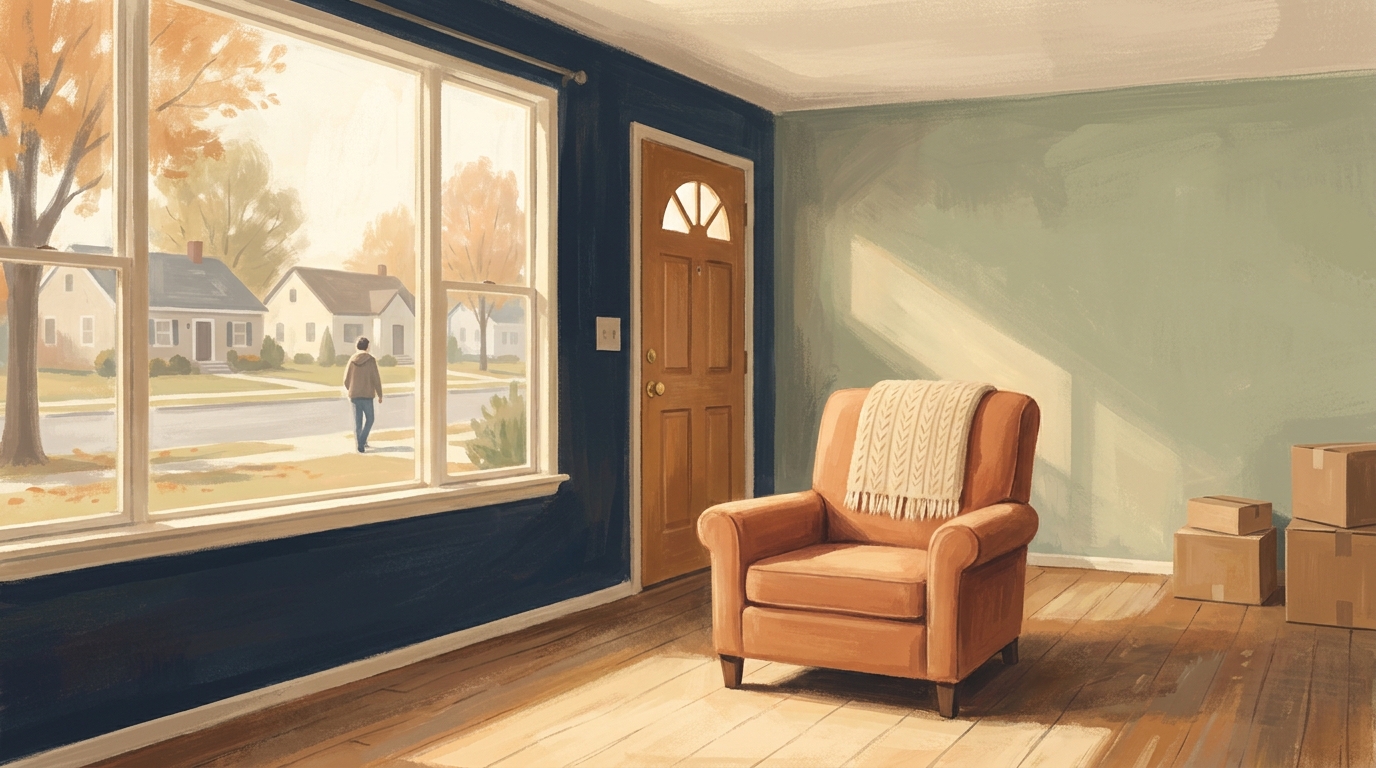
Property managers know the drill: a lease ends, but the apartment move out furniture stays behind. Dealing with tenant left furniture is a frustrating, expensive hassle. Before calling a junk hauler, you must navigate state laws regarding abandoned property after move out. Once cleared, you can easily rehome usable pieces to neighbors who need them.
Follow your state rules for tenant left furniture
When a renter moves out and leaves a sofa or dining set behind, your first instinct might be to drag it to the dumpster. But landlords cannot immediately dispose of or donate these items. You must follow your state's specific abandoned property statutes, which dictate how you store the items, the notice you must provide, and how long you have to wait.
State timelines and rules vary wildly. For example, in Washington State, landlords must store the property securely and mail a written notice detailing where the items are kept and when they will be disposed of or sold, with waiting periods like seven days for items worth under $250, or up to 45 days for personal keepsakes (Renting in Seattle). In Minnesota, you must store and care for the items for 28 days after receiving actual notice of abandonment (Sec. 504B.271 MN Statutes). Meanwhile, Virginia requires landlords to provide a 10-day written notice before treating the items as abandoned (Code of Virginia).
Check with your city or county to understand your exact legal obligations. Often, states allow you to apply any proceeds from selling abandoned items toward the reasonable costs of moving and storing the furniture.
The heavy toll of apartment move out furniture
If you manage a large building, move-out week can fill your dumpsters in a single afternoon. The sheer volume of furniture waste is staggering. According to the U.S. Environmental Protection Agency (EPA), Americans generated 12.1 million tons of furniture and furnishings in municipal solid waste in 2018. That represents 4.1 percent of all municipal solid waste generated that year.
This is a rapidly growing problem. The EPA notes that furniture waste has surged from just 2.2 million tons in 1960. Discarded furniture is heavy and bulky. Wood and ferrous metals are the largest material categories found in these pieces, and they take up massive amounts of space in landfills when they are not rehomed or recycled. Paying a commercial service to haul away usable dressers and tables eats into your maintenance budget and adds to the landfill burden.
Check safety rules before you rehome anything
Once the legal waiting period has passed and the abandoned property after move out is officially yours to clear, you might want to give it away. Before you pass items on to a neighbor, you need to ensure they are safe.
The U.S. Consumer Product Safety Commission (CPSC) requires that anyone giving away used consumer products check for recalls first. You can search for the item on the CPSC website.
Be especially careful with nursery furniture. The CPSC strictly warns against rehoming broken or wobbly cribs and bassinets, or any infant product missing parts, even if it has never been officially recalled. Their official guidance is simple: "When in doubt, throw it out!"
Mattresses require special attention. Donated mattresses must meet federal flammability safety regulations. The CPSC frequently issues warnings regarding non-compliant mattresses that fail to contain a fire if ignited by an open flame. These unsafe mattresses must be disposed of and never given away.
Finally, while used children's products are generally exempt from strict new-product lead testing, the CPSC states that you cannot legally give away a children's product if you actually know it violates the total lead content requirement.
Beyond federal safety rules, always check upholstered furniture for bed bugs. Never list or give away an item that shows any signs of an infestation.
Using StuffRescue to clear usable furniture
When you have safe, usable furniture cleared for disposal, StuffRescue offers a free way to get it out of your units without paying a haul-away fee. We are a registered nonprofit open in every US state, built to help neighbors rescue what others no longer need.
Nothing on StuffRescue is for sale. There is no selling, no haggling, and no cash exchanged between neighbors. As the giver, you never pay a dime. Posting an item is completely free.
To post a left-behind table or chair, just tap the orange "Rehome an Item" button in the app. You can add one to three photos. Our autofill reads the photos and suggests a title, category, description, and condition, which you can easily edit. Since we do not inspect items, your description is exactly what the rescuer expects. Be honest about scuffs or missing hardware.
When a neighbor claims the item, a chat opens between the two of you. You agree on a time for them to pick it up. There is no delivery; the rescuer always comes to you.
To keep things secure for your property, every rescue uses a six-digit pickup code. Only you and the rescuer see this code. When they arrive at the building, they show or read the code to you. You check that it matches the code on your screen. If there is no match, there is no handoff. Nobody types the code into the app. Once you confirm the handoff, the item is marked "Rehomed" and your space is clear. You can learn more about how to give away furniture for free (and actually get it picked up).
Encourage renters to rehome items before they leave
The easiest way to deal with abandoned furniture is to prevent it from being left behind in the first place. Many tenants abandon heavy items simply because they run out of time on moving day and do not know how to get rid of them.
Consider adding a simple move-out checklist to your lease renewal or notice-to-vacate packets. Remind tenants that they can browse free things near you or post their own unwanted furniture on StuffRescue in the weeks leading up to their move. Let them know that rescuing anything within 3 miles of their saved home is free, and beyond that, it costs just one flat $0.99 paid by the rescuer.
By giving them a tool to rehome their dining chairs and heavy dressers early, you save your maintenance team from dealing with the heavy lifting later. Just remind them that a StuffRescue gift to another person is a neighbor-to-neighbor exchange, not a tax-deductible donation.
By planning ahead and understanding your local rules, you can turn a frustrating move-out headache into a win for your maintenance budget and a lifeline for a neighbor who needs a fresh start.
Sources
Published by StuffRescue, a US nonprofit based in Akron, Ohio. Spotted something out of date? Email info@stuffrescue.co.
More from the blog
The Dresser Nobody Wanted Until One Neighbor Did: A Rescue Story
A StuffRescue rescue story from Akron: an illustrative dresser nobody wanted finds a neighbor furnishing a first apartment, free, through the Giving Loop.
Garage Sale Leftovers: What Akron Neighbors Do With What Didn't Sell
Garage sale leftovers in Akron? See the real options — another sale, Goodwill, Habitat ReStore, Buy Nothing, or giving it to one neighbor who wants it.
Donating Furniture Without Sharing Your Address: How Pickup Codes Protect Survivors' Privacy
How pickup codes let you give furniture in Akron without sharing your address — a safety layer that matters most for domestic violence survivors.