
Published 5 min read
You Don't Have to Give Stuff to Help: How to Volunteer at a Domestic Violence Shelter in Akron
Want to volunteer at a domestic violence shelter in Akron? Here's what the real application, background check, and training process looks like.
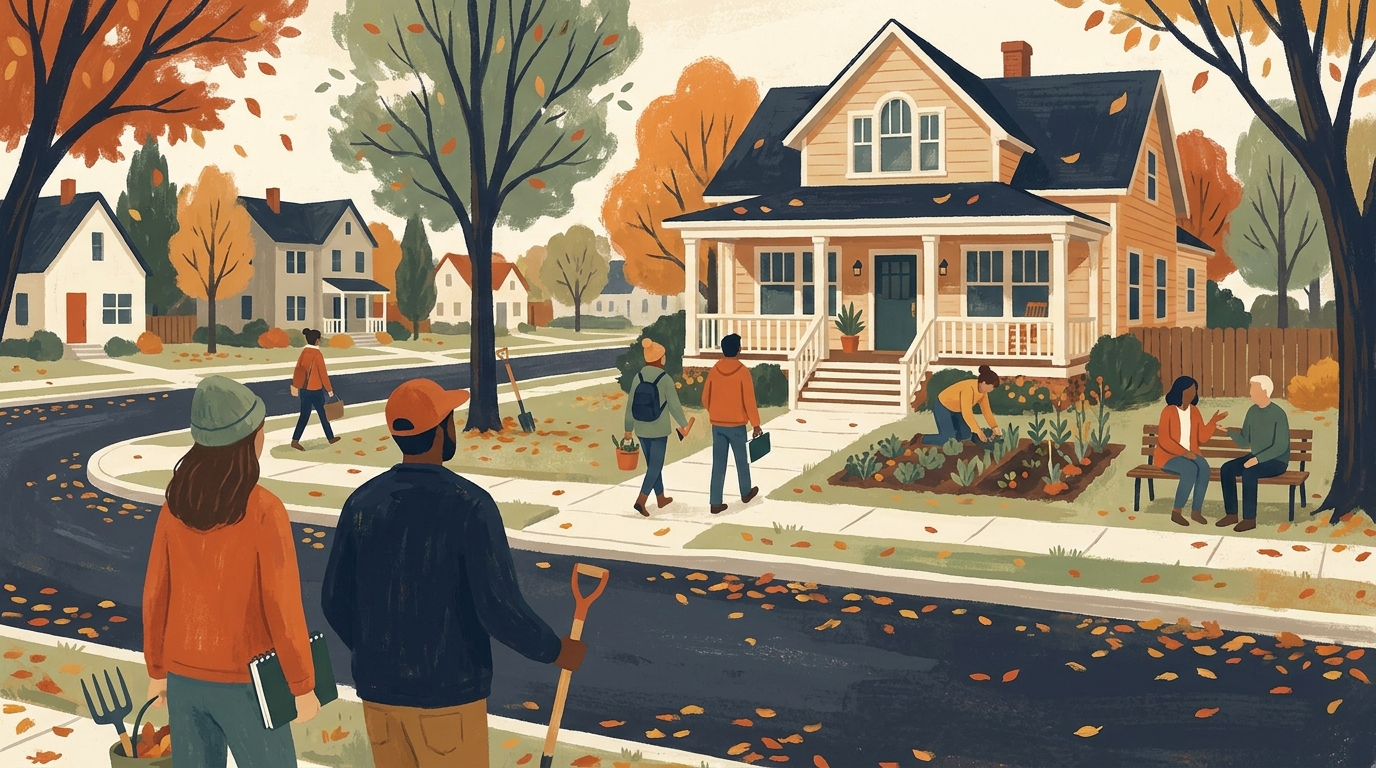
Volunteering at a domestic violence shelter in Akron starts with an application through the agency itself, not a walk-in visit. Hope & Healing Survivor Resource Center, serving Summit and Medina counties, offers two tracks: indirect "Helping Hands" roles like sorting donations and admin support, and direct-service roles like hotline support, which require a background check and much more training.
Giving a crib or a box of kitchen basics helps a neighbor rebuilding a household. But you can also give time, not stuff — and that closes a different gap — a hotline staffed at 2 a.m., or someone to watch a toddler during an appointment. This guide, part of our Domestic Violence Prevention hub, walks through the real volunteer process.
What volunteer roles are available at a domestic violence shelter in Akron?
Hope & Healing's volunteer program splits work into two categories, and which one fits you depends on how much direct contact with survivors the role involves. "Helping Hands" (indirect service) covers donation sorting, facility upkeep, beautification, and admin tasks — work that keeps the organization running without contact with residents. Direct-service roles, including hotline support and hospital or court advocacy, put volunteers with survivors at vulnerable moments, so they carry a much higher bar for training and screening. Groups can schedule one-day service projects, capped around 15 volunteers with a month's notice.
Do I need a background check to volunteer at a DV shelter?
Yes — a background check is required for every volunteer role at Hope & Healing, including indirect ones like donation sorting. This isn't bureaucracy for its own sake: shelters protect the confidentiality and physical safety of people who may still be at risk from an abuser, so every adult near its operations gets screened, no matter how small the task looks. A program that skips this step is a warning sign, not a convenience.
What does the training or orientation actually involve?
Indirect volunteers go through a brief orientation on confidentiality and how the organization operates. Direct-service volunteers — anyone on the hotline or doing in-person advocacy — go through multiple, more substantial training sessions. Hope & Healing's direct-service track is built on a 40-hour curriculum aligned with the National Advocate Credentialing Program, after which volunteers can pursue formal credentialed-advocate status. That's roughly a full work week of training, covering trauma-informed communication, safety planning, confidentiality law, and crisis response, before anyone takes a hotline shift. It is not optional, and it shouldn't be rushed.
Can I volunteer without talking to survivors directly?
Yes. If direct contact isn't the right fit right now, indirect "Helping Hands" roles are a legitimate, needed way to contribute. Sorting donations or handling data entry frees trained advocates to spend their hours on work only they're equipped for. Neither track is "lesser" — both keep a shelter running.
How do I start the application process at Hope & Healing?
Start with the volunteer sign-up form on Hope & Healing's own site, or email the volunteer coordinator at DelaneyJ@hope-healing.org. Outside Summit or Medina counties, the Ohio Domestic Violence Network can point you to your local program. Hope & Healing's business line is 330.374.0740; its 24/7 hotline, 330.374.1111, is for people who need support now, not volunteer questions. Expect an application, an interview, and a background check before training begins.
Ways to help, compared
| Option | Cost | Time | Best for | Catch |
|---|---|---|---|---|
| Give furniture or baby items | Free to you | 10–20 min to post | People who have stuff taking up space | Doesn't address staffing or hotline gaps |
| Helping Hands volunteering | Free | A few hours, flexible | People who want to help but not interact with survivors directly | Still requires a background check |
| Direct-service / hotline volunteering | Free | 40-hour training + ongoing shifts | People ready for a real time commitment | Serious training; not a casual weekend project |
| StuffRescue Wishes | Free to post; $0.99 only on a successful rescue beyond 3 miles | Minutes | Getting a specific needed item to someone rebuilding a household | Pilot stage — Akron zones first |
Where StuffRescue fits
StuffRescue doesn't train advocates or staff hotlines — that work belongs to organizations like Hope & Healing. What StuffRescue does is simpler: it's a free-items giving platform where any neighbor can post a Wish for free — a crib, a work coat, kitchen basics — with no application and no badge marking it as charity. It renders exactly like every other post, because the Giving Loop (post, rescue, gratitude, again) doesn't need to know why someone needs something.
If you run a shelter, transitional housing program, or other community organization in Akron, we'd welcome a conversation about what a Wish Program partnership could look like for the people you already serve — no pressure, no commitment implied, just an open door. Reach out to info@stuffrescue.org if that's useful. And if you're ready to give or rescue something yourself, join StuffRescue free.
Frequently asked questions
Can anyone volunteer at a domestic violence shelter?
Most adults can apply, but every role requires a background check, and direct-service roles require substantial training before any contact with survivors. Eligibility specifics vary by program — check with the shelter directly.
How long does it take to become a hotline volunteer?
At Hope & Healing, direct-service volunteers complete a 40-hour training curriculum before taking shifts, in addition to the application and background check. Plan on several weeks between applying and your first shift.
Is there a minimum time commitment to volunteer?
Yes, generally. Shelters invest significant time training direct-service volunteers, so most ask for an ongoing commitment rather than a one-time visit. Indirect roles and scheduled group service days are more flexible.
Can I volunteer if I can't pass a background check?
Background checks are a firm requirement across reputable domestic violence programs, including every role at Hope & Healing, because they protect survivor safety and confidentiality. If a background check is a barrier, giving items or supporting a shelter's wish list are other real ways to help.
Do I need to live in Akron to volunteer at Hope & Healing?
Hope & Healing serves Summit and Medina counties, so volunteers generally come from that service area, though exact residency rules are set by the organization. Contact their volunteer coordinator directly to confirm.
Sources
Published by StuffRescue, a US nonprofit based in Akron, Ohio. Spotted something out of date? Email info@stuffrescue.co.
More from the blog
The Dresser Nobody Wanted Until One Neighbor Did: A Rescue Story
A StuffRescue rescue story from Akron: an illustrative dresser nobody wanted finds a neighbor furnishing a first apartment, free, through the Giving Loop.
Garage Sale Leftovers: What Akron Neighbors Do With What Didn't Sell
Garage sale leftovers in Akron? See the real options — another sale, Goodwill, Habitat ReStore, Buy Nothing, or giving it to one neighbor who wants it.
Donating Furniture Without Sharing Your Address: How Pickup Codes Protect Survivors' Privacy
How pickup codes let you give furniture in Akron without sharing your address — a safety layer that matters most for domestic violence survivors.