
Published 5 min read
The Curb Is Not a Plan: Why Usable Things Deserve a Second Home
Discover what happens to furniture left on the curb, the impact of the furniture landfill, and how to choose reuse instead of trash with your neighbors.
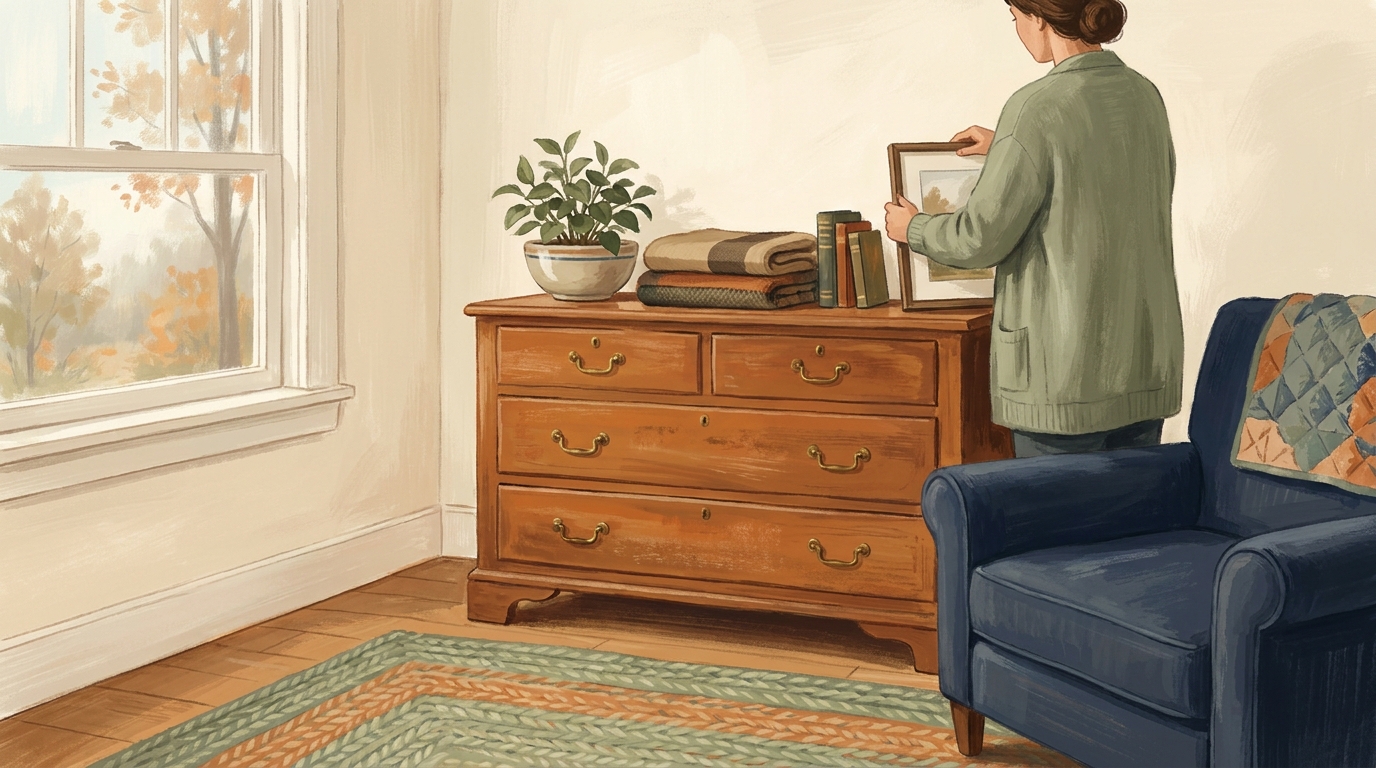
Dragging an old dresser to the sidewalk feels like a quick fix, but what happens to furniture left on the curb? Most of it is ruined by weather and hauled straight to the dump. Here is why usable items belong in a neighbor's home, and how we can all choose reuse instead of trash.
Exactly what happens to furniture left on the curb
When you set a couch or a table outside with a "free" sign, you hope a passerby will load it into their truck and give it a second life. Unfortunately, the reality is usually much messier. Municipalities classify these large items as oversized and bulky waste. Because standard garbage trucks cannot crush them, they require specialized bulk pickup routes.
While it waits on the sidewalk, that furniture is entirely at the mercy of the elements. Local environmental departments note that leaving items out as free piles exposes them to rain, humidity, and dirt. Wood warps, upholstery gets soaked, and what was once a perfectly good chair is quickly ruined. Once weather damage sets in, the item is guaranteed to be thrown away rather than reused. Unplanned curb dumping also creates hazards for pedestrians, blocks sidewalks, and can attract pests to your neighborhood.
The growing problem of the furniture landfill
We throw away a staggering amount of durable goods. According to 2018 data from the Environmental Protection Agency (EPA), Americans generated 12.08 million tons of furniture and furnishings in the municipal solid waste stream.
The vast majority of this material has nowhere to go but the ground. A massive 80.1 percent of discarded furniture—about 9.68 million tons—ended up in a furniture landfill. Another 19.5 percent was combusted for energy recovery. Only a tiny fraction, just 0.3 percent, was actually recycled. Furniture remains one of the least-recycled product categories in the United States waste stream.
This is a drastic increase from decades past. In 1960, the country generated 2.15 million tons of furniture waste. Today, that number has multiplied, putting immense pressure on the shrinking capacities of local waste facilities.
Staying safe and following local bulk pickup rules
Sometimes an item is truly broken beyond repair and the curb is the only option. When you do use official bulk collection services, strict safety and placement rules apply.
Cities require residents to place bulky items at least three to five feet away from obstacles like parked cars, mailboxes, fire hydrants, and water meters. Items must never block pedestrian traffic or spill into the street.
If you are setting out large household appliances alongside your old furniture, safety regulations are even stricter. You must remove the doors from refrigerators, freezers, and other latching appliances before placing them outside. City environmental services enforce this rule to prevent children or animals from crawling inside and becoming trapped.
Why cities urge residents to choose reuse instead of trash
Because bulky waste puts such a heavy burden on municipal resources, major environmental departments explicitly urge residents to find alternatives. City guidelines recommend using community-based sharing networks to hand usable items directly to neighbors before resorting to the curb.
Direct neighbor-to-neighbor sharing keeps useful materials in the local economy. It prevents weather damage by moving an item straight from one living room to another. Most importantly, it diverts heavy, durable goods from local landfills. Nothing useful should go to waste while a neighbor goes without.
How to hand things directly to a neighbor
StuffRescue is a free way for neighbors to give things away and rescue what others no longer need. We are a registered nonprofit open in every US state, and our mission is simple: dignity, never charity. A neighbor who needs a dresser or a winter coat should not have to explain why.
Posting an item is free, and the giver never pays. To rehome an item, just tap the orange + button in the app and add one to three photos. Our autofill reads the photos and suggests a title, category, description, and condition, which you can easily edit. (If you are posting furniture, please check for bed bugs and never list an item with signs of them. We do not inspect items, so your description is what the rescuer expects.)
When a neighbor sees your item on Discover, they can tap "Rescue this Item." The first person to claim it gets it. A private chat opens between the two of you to agree on a time.
Rescuing anything within three miles of a member's saved home location is completely free. The three-mile distance is a straight line from the rescuer's home to the item. If an item is beyond three miles, the rescue costs one flat $0.99, paid from the rescuer's prepaid wallet. This cost shows clearly before they tap to rescue. You can learn more about how this works in our explainer on the free radius and pickup codes.
Safe, private pickups without the curb
You never have to leave your item outside to be ruined by the rain. When you arrange a rescue, the exact pickup spot is only shared with the rescuer after they claim the item. Our map only shows neighborhood circles with counts, never exact addresses or pins.
Every rescue comes with a six-digit pickup code that only the two people see. When the rescuer arrives, they show or read the code at the door. You check that it matches. If there is no match, there is no handoff. Nobody types the code into the app. Once you confirm the handoff, the item is marked "Rehomed."
By handing your old furniture directly to someone who needs it, you keep your sidewalks clear, protect the environment, and help a neighbor turn a house into a home.
Sources
Published by StuffRescue, a US nonprofit based in Akron, Ohio. Spotted something out of date? Email info@stuffrescue.co.
More from the blog
The Dresser Nobody Wanted Until One Neighbor Did: A Rescue Story
A StuffRescue rescue story from Akron: an illustrative dresser nobody wanted finds a neighbor furnishing a first apartment, free, through the Giving Loop.
Garage Sale Leftovers: What Akron Neighbors Do With What Didn't Sell
Garage sale leftovers in Akron? See the real options — another sale, Goodwill, Habitat ReStore, Buy Nothing, or giving it to one neighbor who wants it.
Donating Furniture Without Sharing Your Address: How Pickup Codes Protect Survivors' Privacy
How pickup codes let you give furniture in Akron without sharing your address — a safety layer that matters most for domestic violence survivors.