
Published 5 min read
Service Project Ideas for Scout Troops and Youth Groups
Discover safe, goods-based service project ideas for scout troops and youth groups, from targeted coat drives to repairing items for local organizations.
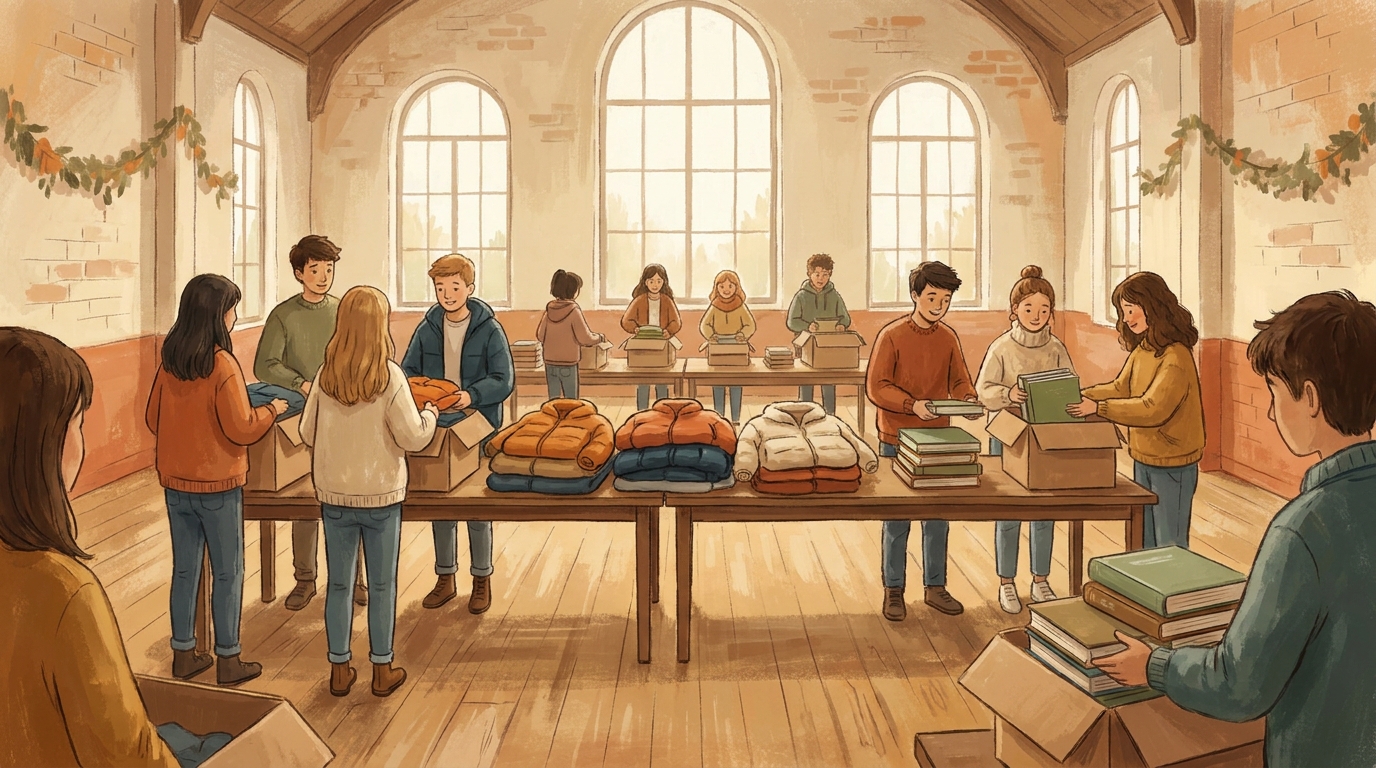
Planning a service project around collecting, sorting, or repairing goods is a great way for scout troops and youth groups to help their community. By coordinating with local organizations and following safety guidelines, young people can lead projects that safely supply neighbors with exactly what they need right now.
In short
- Always coordinate with a verified receiving organization before starting a collection.
- Ensure all collected items, like winter coats, are clean and in good condition.
- Follow safety guidelines for age-appropriate tool use if the project involves repairing items.
- Never donate recalled or hazardous items; they must be destroyed.
Coordinate with receiving organizations first
Before collecting a single item, youth leaders should find out exactly what local charities actually need. Running a collection without a specific recipient often leads to piles of unwanted items that organizations have to pay to throw away.
Groups can partner with verified nonprofits, churches, schools, and agencies in their area. On StuffRescue, these organizations use our Partner Portal to post campaigns with lists of specific needs on the Wish Program. Neighbors and youth groups can browse free things near you and see these lists on the map, allowing them to gather or offer the exact items requested.
National programs highly recommend this targeted approach. For example, the Organizer Guide for One Warm Coat operates by having local organizers collect items and then deliver them directly to vetted local nonprofit partners, such as shelters or public schools. They do not distribute items directly to individuals, which ensures a safe, organized, and equitable distribution process.
Run a targeted coat or book drive
A focused drive for winter coats or children's books is easy for young people to manage and sort. The impact of a well-run drive is significant. Since 1992, the national nonprofit One Warm Coat has facilitated the collection and distribution of over 9 million coats to children and adults in need. If your group is looking for ideas on how to start, reading about where to donate winter coats and what coat drives need most can help you plan your collection.
When running a coat drive, the condition of the items is critical. New York Cares stipulates that donated coats must be in good condition to protect against winter elements. If items are dirty, they must be laundered or dry-cleaned prior to donation. Youth groups can make washing and preparing the coats part of the service project itself.
If community members ask about tax deductions for their contributions to the drive, youth groups must ensure the receiving organization is a qualified entity, such as a 501(c)(3) charity, a religious organization, or a government agency. For any donated property valued at $250 or more, the donor must receive a contemporaneous written acknowledgment from the charity that includes a description of the items, though the donor determines the monetary value. If a donor claims a deduction of over $500 for a large noncash contribution, they must file IRS Form 8283. Please note that a StuffRescue gift to another person is not a tax-deductible donation.
Clean and repair simple household items
Another excellent project is collecting gently used goods that just need a little work. Youth groups can spend a weekend cleaning bicycles, tightening loose chair legs, or wiping down outdoor toys before passing them on to a local agency.
When repairs or tools are involved, safety is the priority. The Boy Scouts of America (Scouting America) provides specific safety frameworks to minimize accident risks during these events. Groups should consult the Service Project Guidelines to help youth and adult leaders plan safely.
If a project requires construction or repairs, leaders must follow age-appropriate task rules. The BSA's Age Guidelines for Tool Use dictates which tools are safe for specific age groups and outlines strict rules for working above or below ground. Keeping tasks matched to the age and skill level of the youth involved ensures the project remains a positive experience.
Keep hazardous items out of donations
Sorting goods is a major part of any collection project, and young volunteers need clear instructions on what to throw away. It is illegal to donate or give away used products that have been recalled, are hazardous, or do not meet current safety standards. These hazardous items must be destroyed rather than passed on to charities.
This is a common issue in the secondhand world. A national study by the Consumer Product Safety Commission found that 69 percent of thrift stores were selling at least one hazardous product. The most common dangers youth groups should watch for include children's outerwear with drawstrings, which pose a strangulation hazard, outdated hair dryers lacking electrocution protection, and older cribs that fail to meet current safety standards.
When sorting children's items, groups should also be aware of lead regulations. While strict rules apply to new items, used children's products like toys and books are generally exempt from total lead content testing requirements when donated. However, there is a strict exception for children's metal jewelry or any items the donor knows violate lead limits. If in doubt, it is best to discard the item.
Sort and stage items for delivery
Once items are collected, cleaned, and checked for safety, the final step is getting them to the receiving organization. Youth groups should sort items exactly how the receiving agency requested. This might mean bagging coats by size and gender, or boxing books by reading level.
Delivering organized, clearly labeled boxes saves the receiving charity hours of staff time. It turns a pile of donations into a ready-to-use resource for the community. After the project, youth leaders can help their members reflect on the work. Seeing a clean, sorted stack of coats ready for a local shelter helps young people understand the direct impact of their service.
Sources
Published by StuffRescue, a US nonprofit based in Akron, Ohio. Spotted something out of date? Email info@stuffrescue.co.
More from the blog
The Dresser Nobody Wanted Until One Neighbor Did: A Rescue Story
A StuffRescue rescue story from Akron: an illustrative dresser nobody wanted finds a neighbor furnishing a first apartment, free, through the Giving Loop.
Garage Sale Leftovers: What Akron Neighbors Do With What Didn't Sell
Garage sale leftovers in Akron? See the real options — another sale, Goodwill, Habitat ReStore, Buy Nothing, or giving it to one neighbor who wants it.
Donating Furniture Without Sharing Your Address: How Pickup Codes Protect Survivors' Privacy
How pickup codes let you give furniture in Akron without sharing your address — a safety layer that matters most for domestic violence survivors.