
Finding free stuffLast reviewed 8 min read
Is It Safe to Pick Up Free Stuff From a Stranger? A Practical Checklist
Learn how to make it safe to pick up free stuff from neighbors. Discover practical tips for secure curbside handoffs, protecting your privacy, and meeting
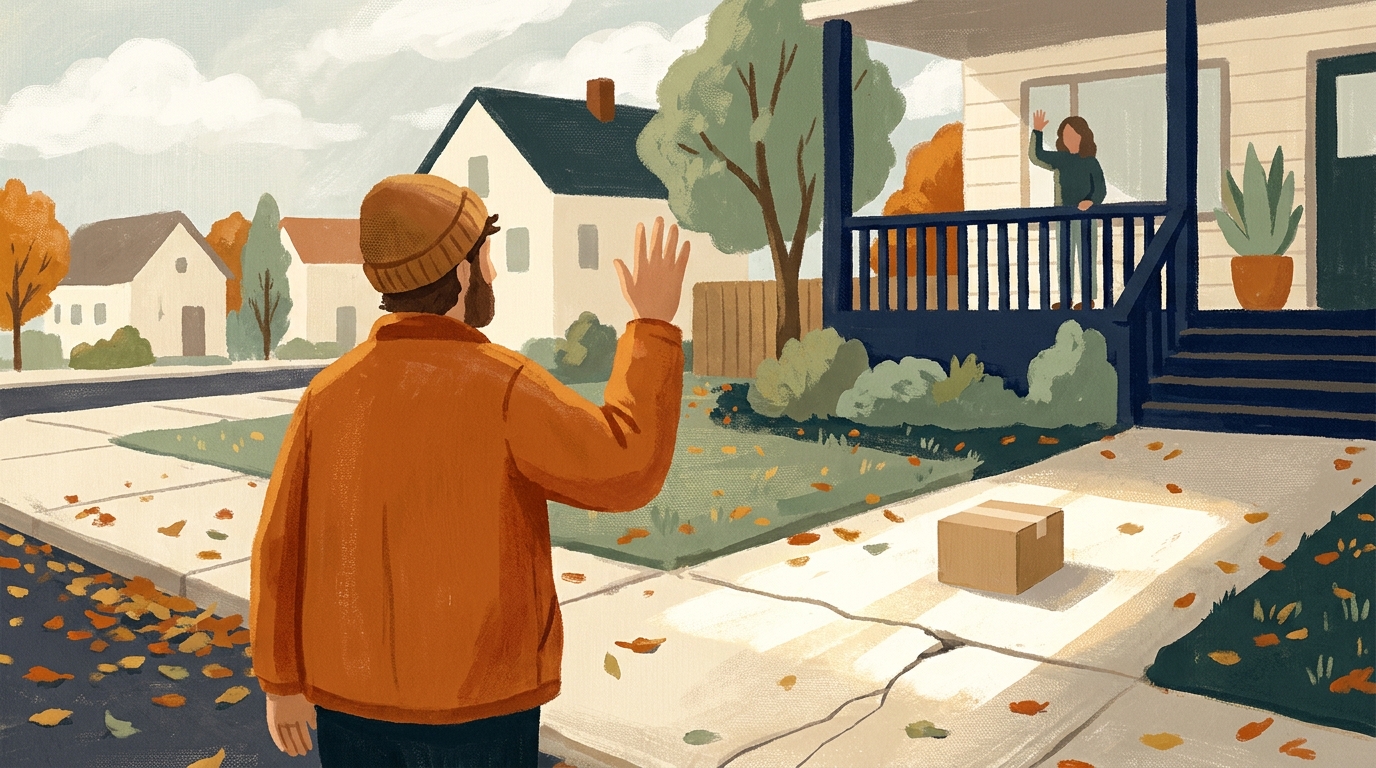
Yes, it is safe to pick up free stuff from neighbors when you follow a few basic precautions. By sticking to daylight hours, keeping communication inside an app, and staying outside the home, you can confidently rescue items and keep useful things out of the landfill.
In short
- Plan your pickup during daylight hours whenever possible.
- Bring a friend or family member along for the ride.
- Keep all communication inside the app rather than giving out your phone number.
- Stay on the porch, driveway, or curb instead of going inside a house.
- Use local police station safe exchange zones if you feel unsure about a location.
Is it safe to pick up free stuff locally?
Meeting neighbors to exchange items is a normal, everyday part of community sharing. While most people are simply looking to clear out their garages or find a new home for a perfectly good chair, a little planning goes a long way. Law enforcement agencies agree that community handoffs are safe when you set clear boundaries and follow established best practices.
The most important rule is to stick to daylight hours. The Metropolitan Police Department in Washington D.C. strongly advises conducting all online marketplace meetups and pickups while the sun is out. Visibility helps everyone feel more comfortable, prevents misunderstandings, and makes it much easier to inspect the item you are picking up. Navigating unfamiliar streets and driveways is also significantly safer during the day.
You should also bring a friend whenever you can. The Fairfax County Police Department notes that having a second person with you is a proven deterrent to unsafe situations. A friend can help you navigate, assist with heavy lifting, and provide a second set of eyes. If you must go alone, always share your itinerary. The Charlotte County Sheriff's Office recommends telling a trusted friend or family member exactly where you are going, who you are meeting, and what time you expect to return. You might even consider sharing your phone's live location with them during the trip.
What are the best free stuff pickup tips for a smooth handoff?
When you arrange to get an item, the actual handoff should be quick, polite, and straightforward. Preparing ahead of time ensures you do not linger at a stranger's house longer than necessary.
Review the item details carefully
Read the description and check the dimensions to ensure the item will actually fit in your vehicle before you leave.
Confirm the meeting time
Agree on a specific window for the pickup and stick to it out of respect for the giver's schedule.
Communicate your arrival
Send a quick message through the platform when you are five minutes away so the giver knows to look out for you.
Complete the exchange outside
Keep the interaction brief and friendly, staying on the porch or driveway to finalize the handoff.
How can you protect your personal information and privacy?
You do not need to trade life stories or personal data to rescue a couch or a box of books. Never share unnecessary personal details, such as your financial information, your home address, or your daily schedule, with the person you are meeting.
Consumer protection agencies, including the Ohio Attorney General, advise against moving conversations to personal text messages or email. Keeping the chat within the marketplace or sharing app protects your personal phone number. It also ensures there is a clear record of the interaction if an issue arises regarding the meeting time or location.
Privacy also extends to your personal circumstances. A core principle of community sharing is dignity. A neighbor who needs a dresser or a winter coat should not have to explain why they need it or prove any sort of hardship. Keep the conversation focused strictly on the item and the logistics of the pickup.
Where is the best place for meeting strangers for pickup?
Where you meet matters just as much as when you meet. The Milwaukee Police Department advises residents to avoid entering a stranger's residence or inviting a stranger into their home. Porch, driveway, or garage handoffs are highly recommended to maintain a safe boundary.
If a curbside pickup at a private residence feels uncomfortable, many local police and sheriff's departments nationwide offer designated safe exchange zones. The Boston Police Department and the San Luis Obispo County Sheriff's Office encourage the public to use these spaces. They are typically free, well-lit parking spots or lobby areas monitored by 24/7 surveillance cameras specifically designed for online marketplace transactions. Check with your city or county to find the closest designated zone.
| Location Type | Best Used For | Privacy and Security Level |
|---|---|---|
| Porch or Driveway | Heavy furniture, bulky boxes, quick neighborhood grabs | Moderate (Home location is revealed, but interaction stays outside) |
| Curbside | Weather-proof items, contactless handoffs | Moderate (Home location is revealed, highly visible to street) |
| Safe Exchange Zone | Small items, high-value items, meeting unfamiliar people | High (Neutral public ground, camera surveillance, police presence) |
How do you handle physical safety when rescuing heavy items?
Safety is not just about avoiding bad actors; it is also about protecting yourself from physical injury. When picking up heavy furniture, appliances, or large boxes, you must plan for the physical labor involved.
Never expect the giver to load the item into your car for you. Bring a friend who is capable of lifting heavy objects, and ensure you use proper lifting techniques—bending at the knees and keeping your back straight.
Before you leave home, measure your vehicle's cargo space and bring any necessary equipment, such as tie-down straps, moving blankets, or a hand truck. Securing the load properly ensures that the item will not shift while you are driving, which protects both you and other drivers on the road. If an item is simply too heavy or large for you to handle safely, it is better to pass on it than to risk a severe injury during the pickup.
What can givers do to prioritize picking up free items safety?
Safety is a two-way street. If you are giving an item away, you also want to feel secure during the process. The best way to do this is to place items outside before the rescuer arrives. A driveway, a covered porch, or an open garage is perfect. This keeps the interaction brief and ensures nobody needs to cross your threshold.
If the pickup must happen in the evening due to work schedules, make sure your porch and driveway lights are turned on. Clear any tripping hazards, such as garden hoses or children's toys, from the walkway. Clear communication is also vital. Let the rescuer know exactly where the item will be sitting so they do not have to wander around your property looking for it.
How does StuffRescue protect your privacy and location?
StuffRescue is built around neighborhood privacy. The platform's map shows neighborhood circles with counts rather than exact addresses or pinpoints. You only get the exact pickup spot after you commit to the rescue, ensuring that givers do not have their home addresses broadcast to the entire internet.
To ensure a secure handoff without sharing personal contact information, the platform uses a unique verification system. Because the platform handles the connection, you never need to hand over cash or haggle on the porch. You can learn more about how the free radius and pickup codes work to keep every transaction smooth and private.
What should you do if a pickup situation feels wrong?
Trusting your instincts is the most critical safety tool you have. If you pull up to a location and something feels off—whether the area is too dark, the item is not as described, or the person is acting aggressively—you are under no obligation to complete the handoff.
You can simply stay in your locked car and drive away. It is always better to miss out on a free item than to put yourself in a situation that makes you uncomfortable. If you need to cancel, do so through the app once you are safely away from the location. On platforms like StuffRescue, a canceled rescue simply puts any distance fee back into your prepaid wallet, so you never lose out for prioritizing your peace of mind.
Do I have to give out my phone number to get a free item?
No. You should keep all communication inside the app's chat feature. This protects your privacy and ensures you do not receive unwanted calls or texts after the handoff is complete.
What if I feel unsafe at a pickup location?
Trust your instincts. If a situation feels wrong, you can cancel the pickup and leave immediately. You are never obligated to get out of your car or complete an exchange if you feel uncomfortable.
Can I ask someone to leave an item on the curb?
Yes, a curbside or porch pickup is highly recommended by law enforcement because it means you do not have to go inside a stranger's home. It is the standard way to exchange items in most neighborhoods.
Are safe exchange zones free to use?
Yes, local police and sheriff's departments provide these well-lit, camera-monitored parking spots as a free public service to help keep online marketplace transactions safe.
Sources
- Online Purchases | mpdc
- 10 Safety Tips for Online Transactions | News Center
- Buying or Selling Items Online? Meet at a Designated Safe Zone! – Charlotte County Sheriff's Office
- Request Rejected
- Online Purchases Safety Tips – Milwaukee Police Department Office of Public Relations
- Reminder to the Public to Utilize Safe Exchange Zones Located Inside Boston Police Stations – Boston Police Department
- Online Shoppers Encouraged to Use 'Safe Exchange Zones' - County of San Luis Obispo
Published by StuffRescue, a US nonprofit based in Akron, Ohio. Spotted something out of date? Email info@stuffrescue.co.
More guides on finding free stuff
Finding free stuff
Free Furniture for Your First Apartment: Where to Look and What to Skip
Furnishing a new place on a budget? Learn how to find free furniture for your first apartment safely, what items to skip, and how to check for pests.

Finding free stuff
Free furniture near Akron: where to look and what to check before pickup
Find free furniture near Akron on StuffRescue, Buy Nothing or the curb, then check photos, bed bugs and recalls before you haul anything home.
Helping survivors & shelters
How Domestic Violence Advocacy Organizations Actually Source Household Goods for Survivors
How domestic violence shelters get donations in Ohio: the real mix of drives, wishlists, vouchers, and partnerships advocates use — and what's changing.