
Finding free stuffLast reviewed 7 min read
Free Furniture for Your First Apartment: Where to Look and What to Skip
Furnishing a new place on a budget? Learn how to find free furniture for your first apartment safely, what items to skip, and how to check for pests.
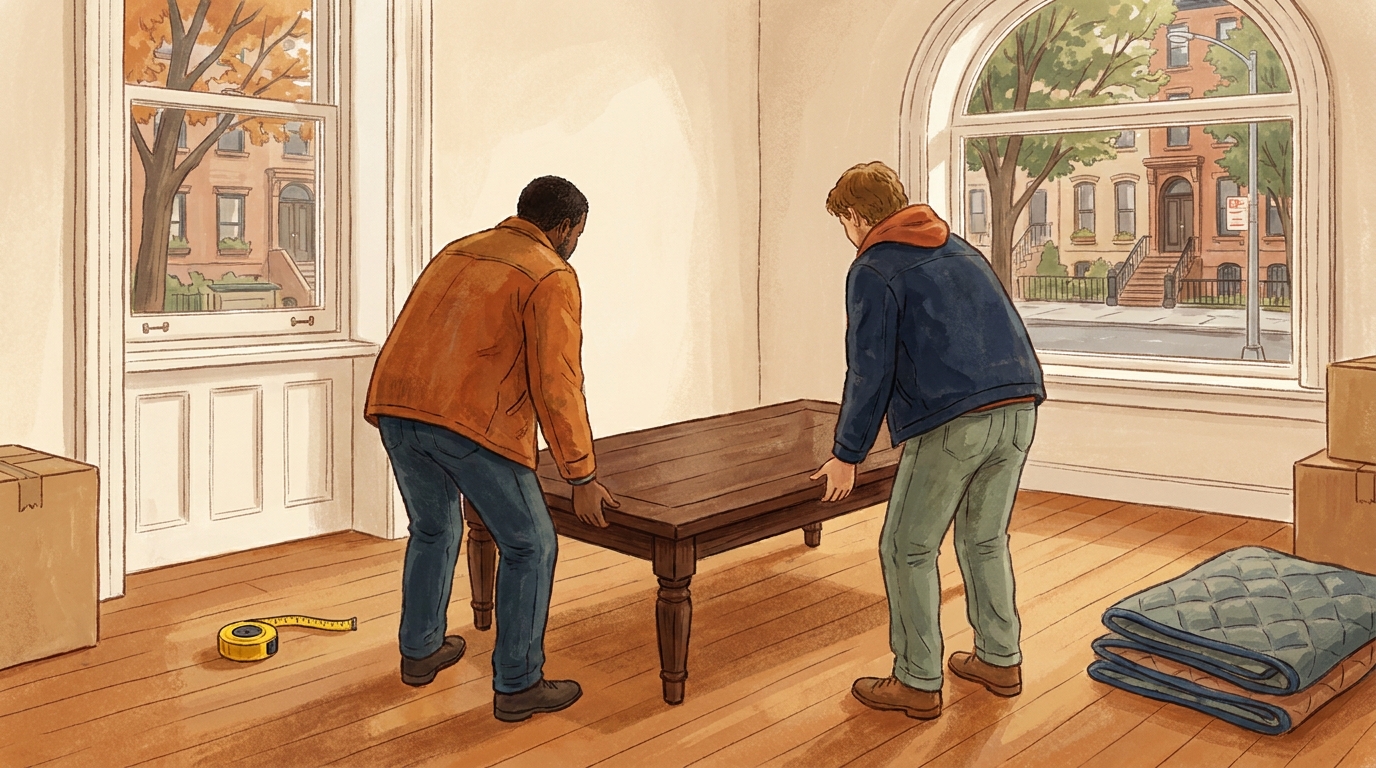
Finding free furniture for your first apartment is the smartest way to furnish your new space on a budget. Stick to hard surfaces like wooden tables and metal chairs, always inspect items for bed bugs before bringing them inside, and skip high-risk pieces like used mattresses and older cribs entirely.
In short
- Look for solid wood or metal pieces, which are easy to clean and inspect for pests.
- Never accept used mattresses or broken cribs due to serious health and safety risks.
- Always check seams and crevices for signs of bed bugs before loading an item into your vehicle.
- Measure your apartment's doorways, stairwells, and your vehicle's cargo space before picking anything up.
What is the best free furniture for your first apartment?
When you set out to furnish your apartment for free, prioritizing the right materials will save you time and keep your home safe. Hard-surfaced items made of solid wood, metal, glass, or hard plastic are the best first apartment essentials to look for. These materials do not provide hiding spots for pests, and you can easily wipe them down with standard household cleaners before bringing them inside.
Focus your search on dining tables, wooden chairs, metal shelving units, coffee tables, and desks. According to the US EPA, Americans generated 12.1 million tons of furniture and furnishings in municipal solid waste in 2018, a massive increase from 2.2 million tons in 1960. Because so much usable furniture is discarded every year, wood and metal items are highly abundant for second-hand rescue. You can easily furnish an entire living room and dining area without spending a dime if you are patient and willing to transport the items yourself.
Which items should you skip or buy new?
While it is tempting to claim everything you need for free, certain items carry severe health and safety risks.
Mattresses and upholstered furniture You should always be extremely cautious with used couches, armchairs, and mattresses. The US EPA warns that bed bugs are easily spread through used furniture, with mattresses posing the highest risk. Because of these health and hygiene risks, many major charities and donation centers strictly refuse donations of used mattresses, pillows, and bedding. If you cannot verify the history of an upholstered piece, it is safer to pass on it.
Used cribs and nursery furniture If you are furnishing an apartment for a family, never compromise on infant safety. The CPSC Warns Consumers That Used Cribs Can Be Deadly, noting that older cribs are responsible for about 50 infant deaths annually. These tragedies are often due to missing hardware or improper slat spacing that can trap a child. The CPSC strongly advises against acquiring any broken, wobbly, or incomplete nursery furniture, even if it has not been officially recalled.
How do you check second-hand furniture for bed bugs?
Even if a wooden dresser or metal bed frame looks clean, the EPA advises never bringing second-hand furniture into a home without thoroughly inspecting and cleaning it first. Bed bugs are excellent hitchhikers. They can live for several months without a single blood meal, meaning furniture left in a storage unit, basement, or garage may still be infested long after it was last used.
Follow these EPA guidelines to inspect any piece of furniture before you load it into your vehicle:
Look for live bugs in crevices
Use a flashlight to check every seam, joint, and drawer corner. Live bed bugs are rusty red, oval-shaped, and about the size of an apple seed.
Check for eggs and shells
Look closely for tiny white eggs glued to surfaces, as well as pale yellow, empty eggshells.
Watch for rusty spots
Inspect the item for rusty spots or dark blood stains, which are left behind when bugs are crushed.
Smell the furniture
Severe infestations may produce an offensive, sweet, musty odor. If the furniture smells unusual, leave it behind.
Where can you find free furniture near me?
There are several ways to source free furniture, depending on your transportation options and whether you qualify for specific assistance programs.
| Source | Best for | Cost to receiver | Delivery available |
|---|---|---|---|
| StuffRescue | Claiming items directly from local neighbors | Free within 3 miles | No (pickup only) |
| Furniture Banks | Low-income households and families in transition | Free (requires referral) | Sometimes |
| Buy Nothing Groups | Hyper-local neighborhood sharing | Free | No |
| City Bulk Pickup | Curbside rescues before trash day | Free | No |
StuffRescue StuffRescue is a free way for neighbors to give things away and rescue what others no longer need. It is a registered nonprofit open in every US state. Nothing is for sale on the platform, and the giver never pays. Rescuing anything within 3 miles of your saved home is completely free. Beyond 3 miles, a rescue costs one flat $0.99, paid from a prepaid wallet (loaded in $5, $10, $15, or $20 amounts). The cost shows on the item before you tap Rescue, and a canceled rescue puts the 99 cents back.
The rescue flow is simple: open an item on Discover, read the description, condition, and cost line, and tap "Rescue this Item." The first person to claim it gets it. A chat opens between the two people only, and you get the exact pickup spot under My Rescues. You agree on a time in the chat. There is no delivery, so you must pick the item up. Each rescue has a six-digit pickup code that only the two people see. You show or read it at the door, and the giver checks that it matches. You can learn more about how the free radius and pickup codes work.
Furniture Banks If you are transitioning out of homelessness, fleeing domestic violence, or facing severe financial hardship, you may qualify for a local furniture bank. The Generative AI: Round Two Furniture Bank 2025 Edition | Furniture Bank network operates nationwide to divert furniture from landfills and provide essential pieces to households in need. These organizations usually require a referral from a social service agency, but they often provide a full apartment's worth of furniture at once.
How do you measure and plan for moving day?
Finding free furniture is only half the battle; getting it into your first apartment is the other. Because you are responsible for picking up items from neighbors or curbsides, you need a solid transportation plan.
Start by measuring your space. Write down the dimensions of your apartment's front door, any hallway corners, stairwell clearances, and the elevator doors if your building has one. You must also measure the cargo dimensions of your vehicle. A free dining table is useless if it will not fit in the back of your car or through your front door.
What if you find pests after bringing furniture home?
If you accidentally bring an infested piece of furniture into your apartment, you must act quickly to prevent the bugs from spreading to your walls and other belongings.
According to the Stay Legal and Safe in Treating for Bed Bugs | US EPA, if you attempt to treat the furniture yourself, you must use only EPA-registered pesticides specifically labeled for bed bugs. Never use outdoor pesticides indoors, as they are dangerous to human health and ineffective against indoor pests. Furthermore, you should never rely solely on "bug bombs" or foggers. Foggers do not reach the deep crevices where bed bugs hide, and using them can actually cause the bugs to scatter deeper into your apartment building, making the infestation much worse. If the problem spreads, contact your landlord immediately so they can hire a licensed pest control professional.
Can I get free furniture delivered to my apartment?
Usually, no. Most neighborhood sharing platforms require the person receiving the item to pick it up and haul it themselves. Some local charities or furniture banks may offer delivery for families in transition, but this varies widely by location.
Is it safe to pick up furniture from the curb?
Curbside furniture can be a great find for hard items like wooden chairs, metal patio tables, or plastic shelving. However, you should avoid any upholstered items or mattresses left on the curb, as they may have been discarded specifically because of pest infestations.
Are used cribs safe for a new baby?
No. The Consumer Product Safety Commission strongly advises against using older, broken, or incomplete cribs, as they pose severe safety risks to infants, including entrapment hazards from improper slat spacing.
Do charities accept mattresses?
Most major charities and donation centers strictly refuse used mattresses, pillows, and bedding due to hygiene concerns and the high risk of spreading bed bugs to their facilities.
Sources
Published by StuffRescue, a US nonprofit based in Akron, Ohio. Spotted something out of date? Email info@stuffrescue.co.
More guides on finding free stuff
Finding free stuff
Is It Safe to Pick Up Free Stuff From a Stranger? A Practical Checklist
Learn how to make it safe to pick up free stuff from neighbors. Discover practical tips for secure curbside handoffs, protecting your privacy, and meeting
Finding free stuff
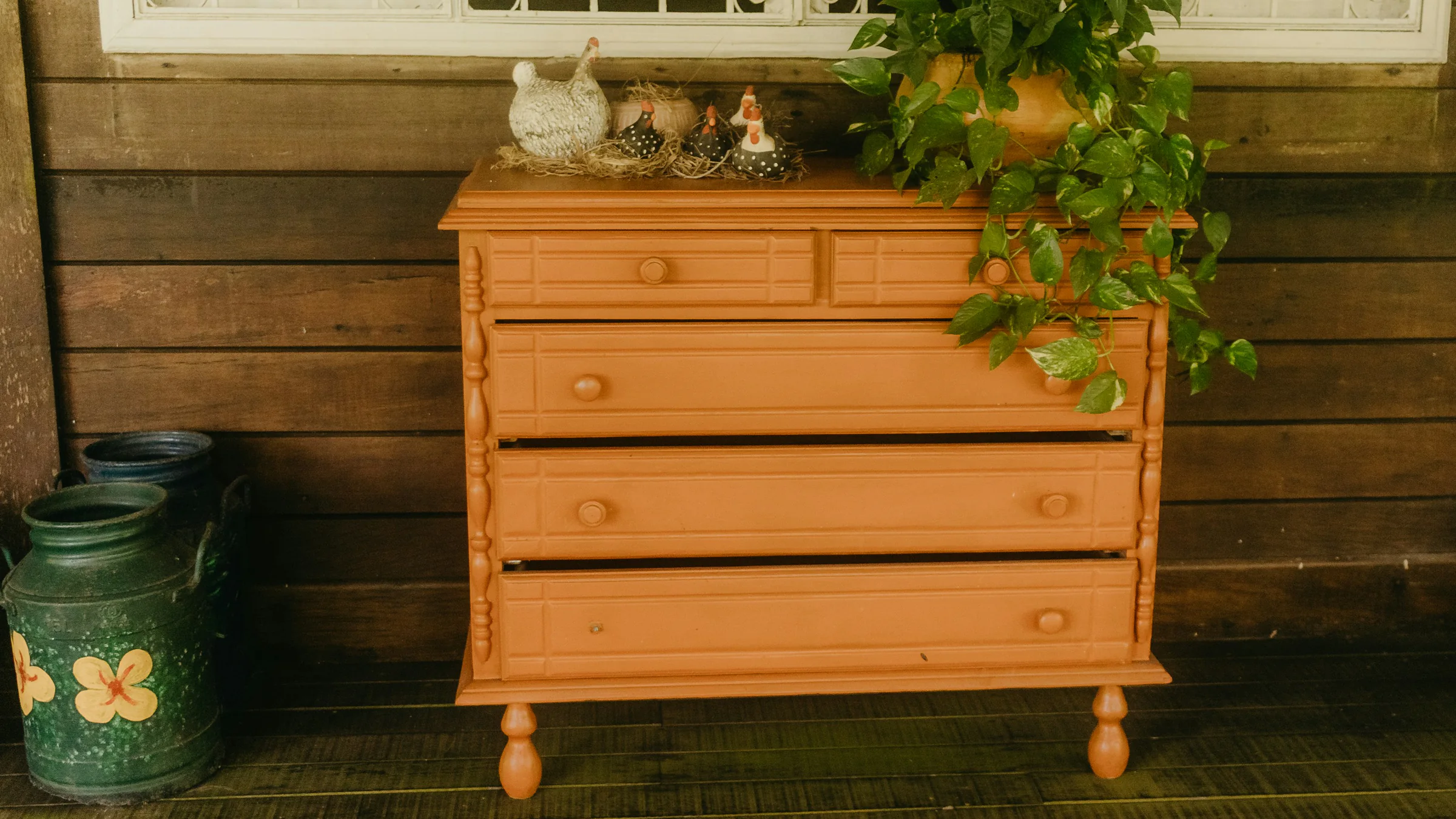
Free furniture near Akron: where to look and what to check before pickup
Find free furniture near Akron on StuffRescue, Buy Nothing or the curb, then check photos, bed bugs and recalls before you haul anything home.
Helping survivors & shelters
How Domestic Violence Advocacy Organizations Actually Source Household Goods for Survivors
How domestic violence shelters get donations in Ohio: the real mix of drives, wishlists, vouchers, and partnerships advocates use — and what's changing.